
n8n Blog: Tutorials, Updates & Guides
Practical n8n tutorials, automation tips, and workflow guides, tested and updated for 2026.
How to Update n8n Without Breaking Your Workflows
Updating n8n takes about five minutes: back up your data folder, pull the new Docker image, and restart the container. The part that saves you from di…
August 5, 2026
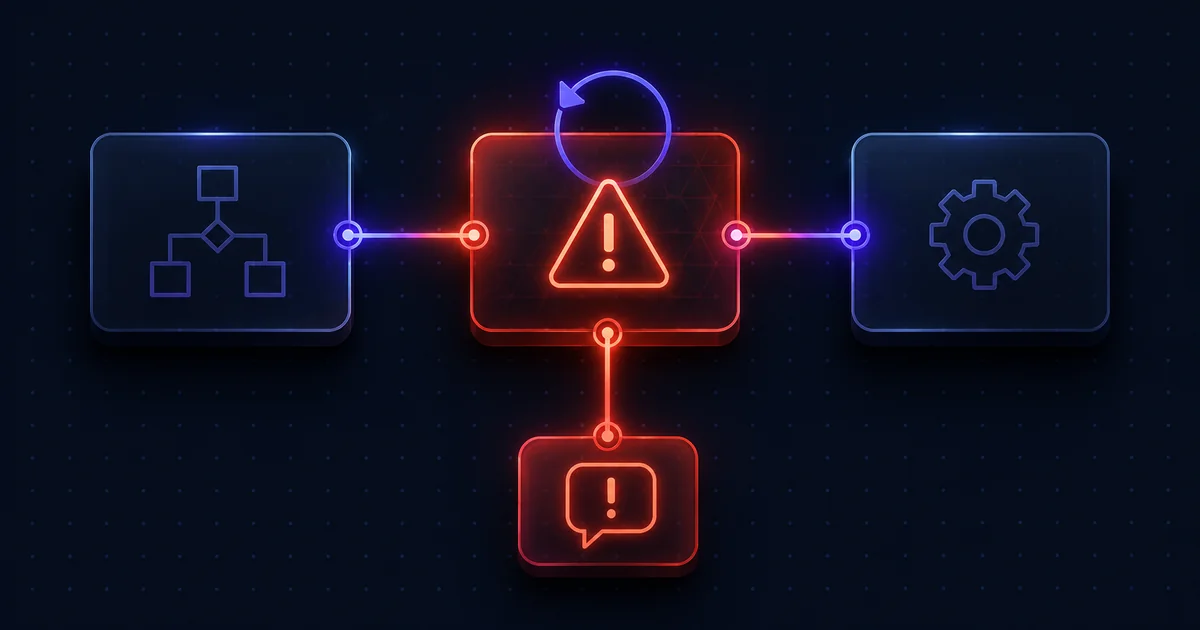
n8n Error Handling: Retries, Error Outputs, and Alerts That Actually Reach You
Last verified: August 2026 n8n error handling works in three layers: Retry On Fail on the node, On Error routing on the node, and an Error Trigger wor…
August 15, 2026
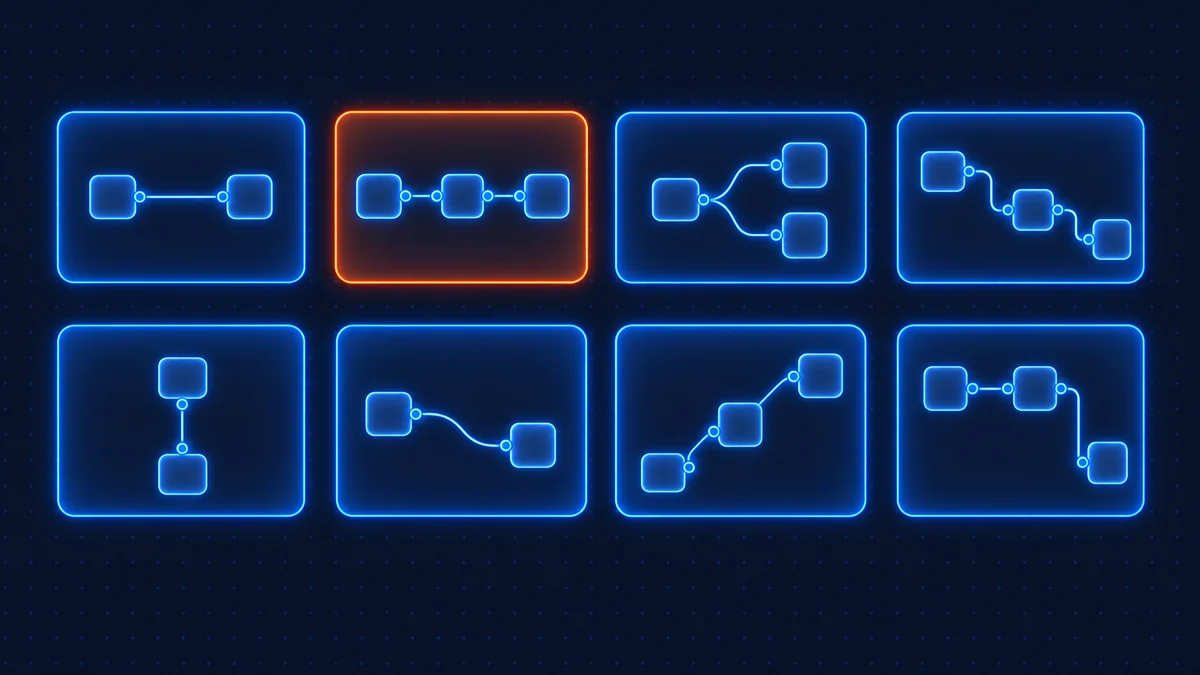
8 n8n Workflow Examples You Can Import and Run Today
Last verified: August 2026 The fastest way to learn n8n is to import a working workflow and take it apart. Below are eight patterns that cover most of…
August 22, 2026
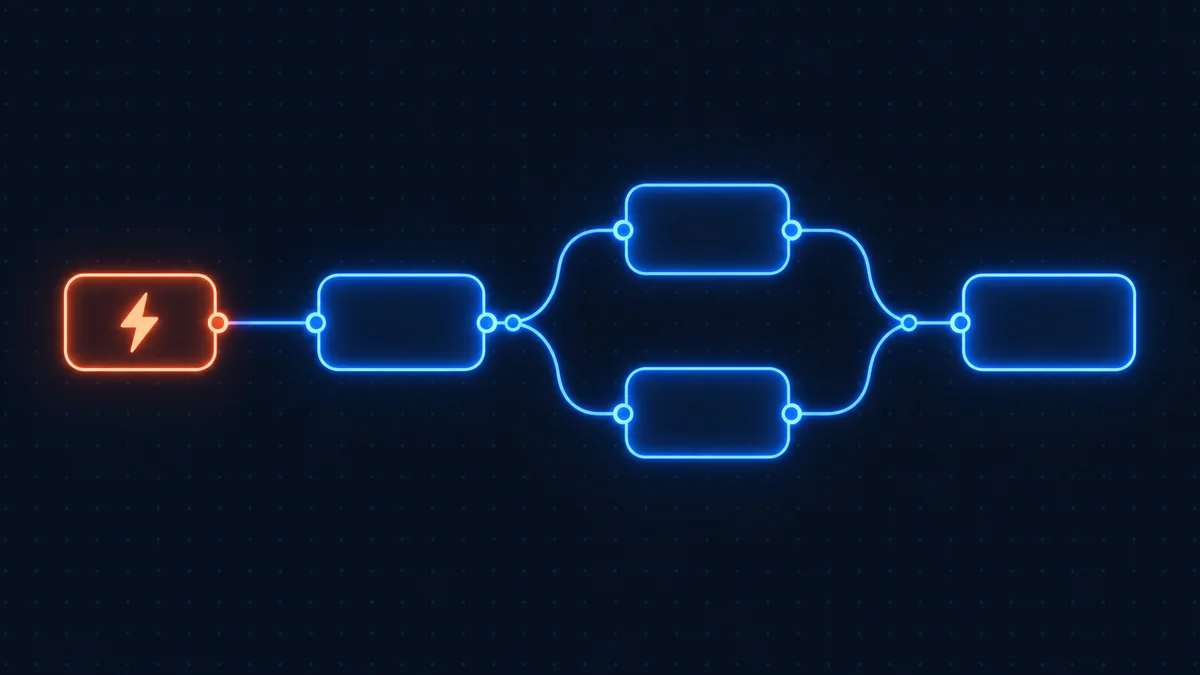
n8n Workflows Explained: How They Work and How to Build One
Last verified: October 2026 n8n workflows are chains of nodes that start with a trigger, pass data between nodes as a list of items, and produce one e…
October 20, 2026
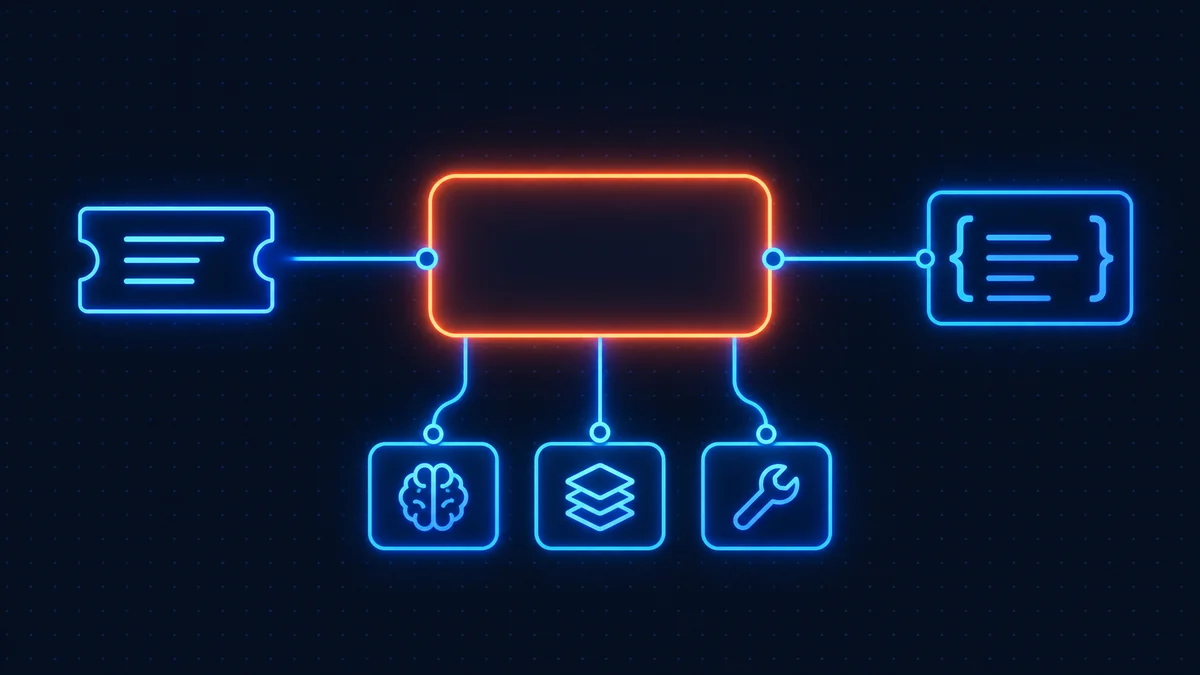
n8n AI: How to Build Your First AI Agent Workflow
Last verified: October 2026 n8n AI workflows are ordinary workflows with one special node in the middle: the AI Agent. You attach a chat model, option…
October 24, 2026
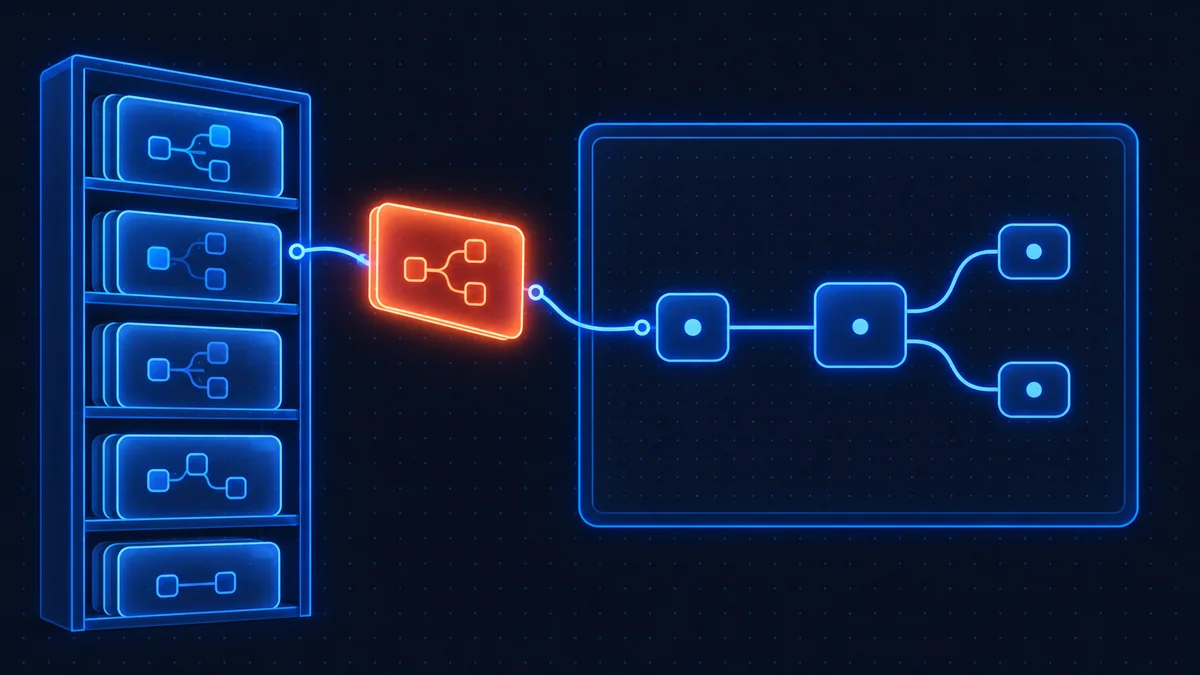
n8n Templates: How to Find, Import and Adapt Them Safely
Last verified: October 2026 n8n templates are ready-made workflows you import as JSON and adapt. The official library lists more than 13,000 of them, …
October 27, 2026
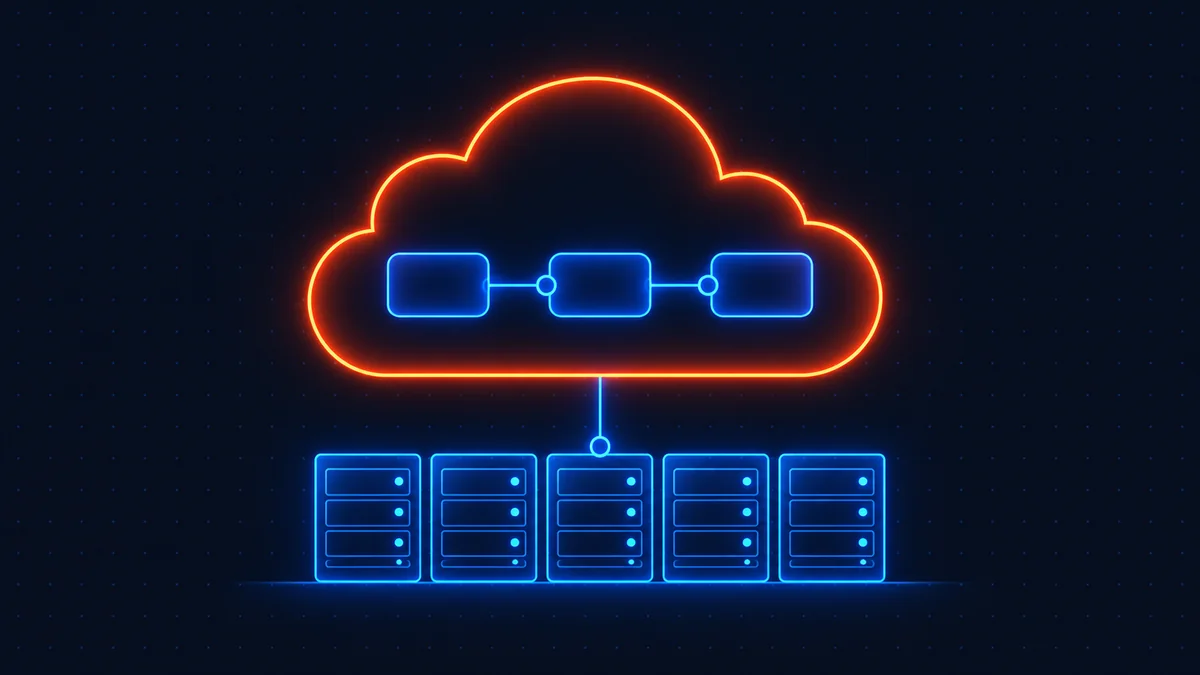
n8n Cloud Explained: What You Get, What It Costs, Who It Suits
Last verified: October 2026 n8n Cloud is the hosted version of n8n, run by n8n GmbH, where you pay per month for a plan with a production-execution ca…
October 31, 2026
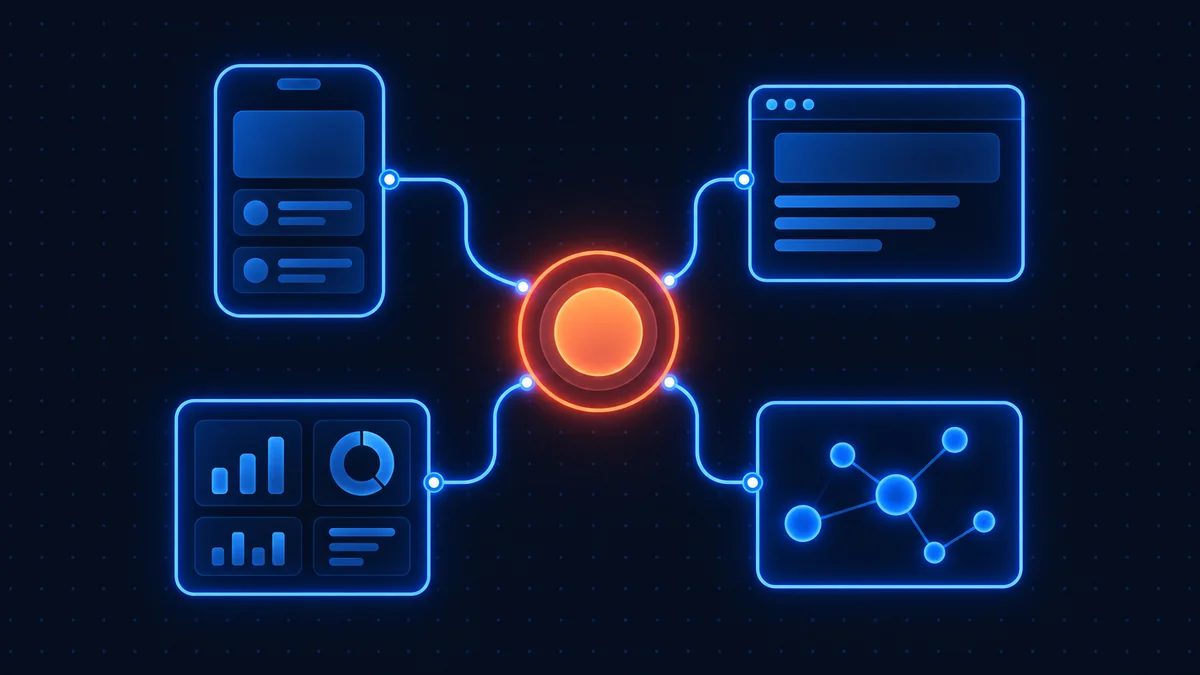
No-Code Platforms Explained: What They Are and How to Choose One
Last verified: October 2026 No code platforms are tools that let you build software (apps, websites, automations, internal dashboards) through a visua…
November 3, 2026
What gets written here
The guides on this site answer settled questions: what something costs, how to install it, which tool fits which job. The blog covers the moving parts. Version upgrades that break things, workflow patterns worth copying, and the mistakes that are easier to read about than to make yourself at two in the morning when a production workflow has stopped firing.
Posts carry a "works with" version and a verification date, because automation advice ages badly. n8n 2.0 is a good example of why. It renamed the Docker tags that every tutorial on the internet tells you to use, dropped MySQL and MariaDB as storage backends, and made task runners the default for Code node execution. A guide written six months earlier is not slightly stale, it is actively misleading, and following it will cost you an evening.
The topics worth your time right now
Three themes come up more than any others among people running n8n seriously.
Upgrades. Self-hosting means upgrades are your job, and the gap between a routine update and a bad night is mostly about order of operations. Back up first, read the release notes for breaking changes, then pull. Monthly updates keep each jump small, which is the single habit that prevents most upgrade horror stories.
Reliability. A workflow that works is not the same as a workflow you can rely on. Failures are normal in automation: APIs rate-limit, tokens expire, upstream services return malformed data at three in the morning. The difference between a hobby setup and a production one is whether anybody finds out when that happens, which is a question about error handling and alerting rather than about the workflow itself.
Patterns worth stealing. Most useful automations are variations on a small number of shapes: watch a trigger, transform the data, write it somewhere, tell a human. Seeing a working version of the shape you need is faster than designing it from scratch, and importable workflow JSON removes the retyping.
What is coming next
The next posts follow the questions people bring to this site most often, in roughly this order: a walkthrough of workflow templates worth importing and how to adapt them without breaking the credentials, a plain-English explanation of what changed in n8n 2.0 for anyone upgrading from a 1.x instance, and a post on building a first AI agent in n8n that does something useful rather than something impressive. If there is a topic you would rather see sooner, the contact page works, and requests shape the order more than anything else does.
Older posts are revisited when a version change makes them wrong. When that happens the post is corrected and its verification date updated, rather than a new post being written to supersede it, so the URL you bookmarked stays the one that is right.
How to use these posts
Each post is written to be followed start to finish rather than skimmed, with the commands in copy-paste form and the gotchas called out where you will hit them rather than in a footnote. Where a post depends on a version-specific detail, that detail is named explicitly so you can tell whether it still applies to the version you are running.
If you are new to n8n, the introduction and the self-hosting hub are better starting points than any individual post. Come back here once you have something running and want to keep it running.